
United Nations Human Settlements Programme
Topic Summary
The housing crisis in tourism-dependent regions
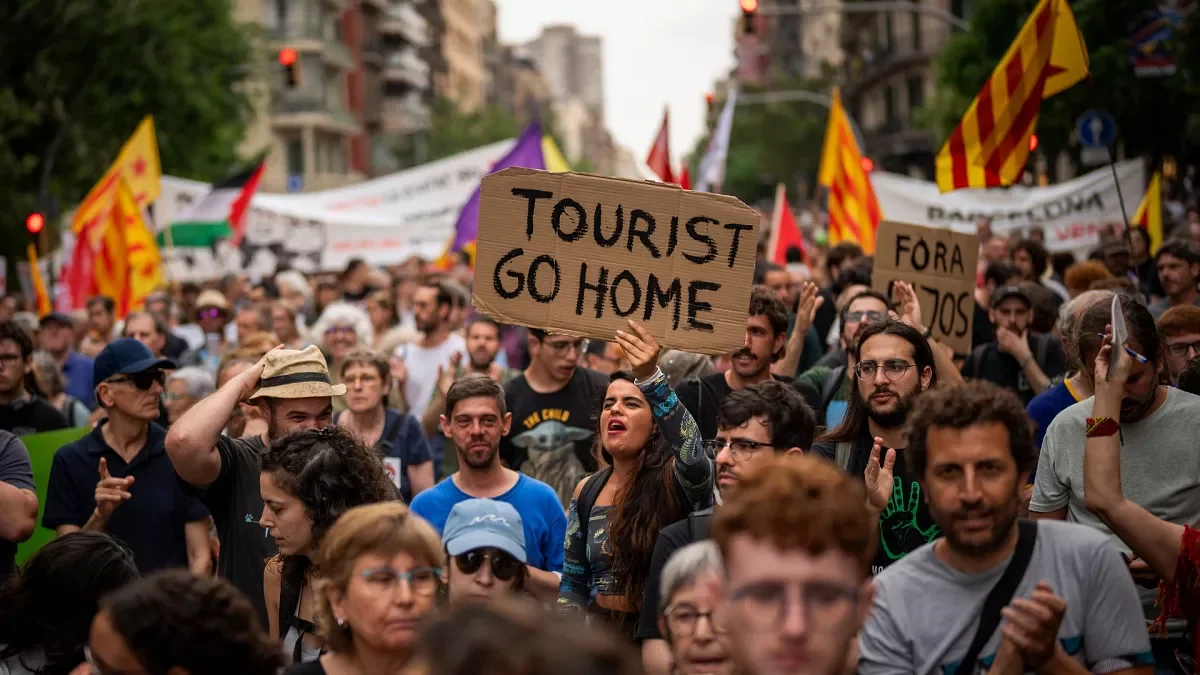
Across tourism dependent regions, the housing crisis has become a structural threat to social stability, economic resilience, and local autonomy. In destinations where short term rentals, seasonal demand, and real estate speculation dominate housing markets, residents face rising rents, shrinking long term supply, and displacement from their own communities. Local wages, often tied to low paid service work, struggle to keep pace with property prices driven by global capital, second home ownership, and platform based accommodation models. As housing is increasingly treated as a financial asset rather than a social good, essential workers are pushed farther from employment centers, straining infrastructure and hollowing out local economies. Governments face a complex trade off between protecting housing affordability and sustaining tourism revenues that underpin public finances.
Meet your Director!
Dear Delegates,
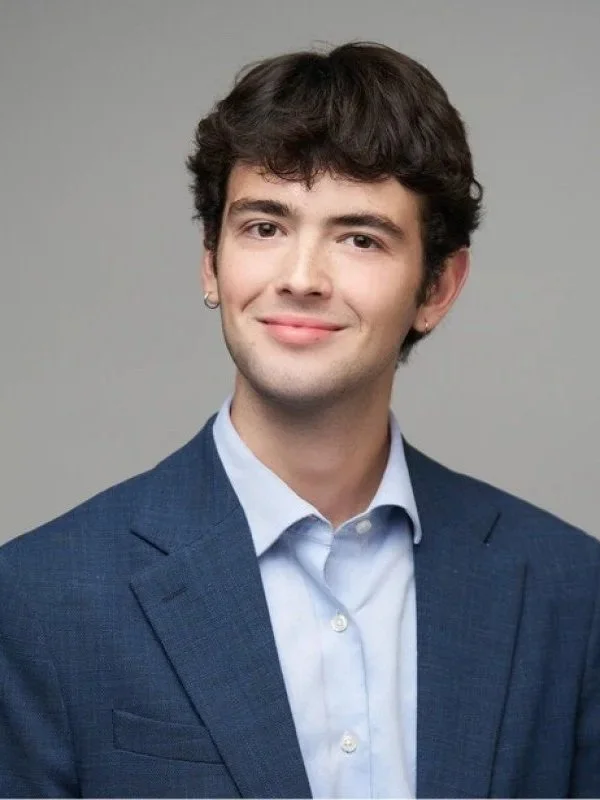
Welcome to the UN Habitat committee within the framework of HMUN Australia 2026. My name is Jorge Zafrilla Díaz and I have the privilege of serving as your director. I am currently in my second year at Harvard University, where I study Economics, Philosophy, and Art History, though I am originally from Madrid, Spain. In terms of extracurricular activities, I participate in various organizations within Harvard's International Relations Council, as well as the Harvard Undergraduate Consulting Group, Crimson Key Society, and I serve as a research assistant.
As for my MUN experience, I began before entering university. Since then, I have continued participating in debates with Harvard's intercollegiate MUN team (ICMUN) and have had the opportunity to explore the other side of conferences as an assistant director in the Economic Commission for Latin America and the Caribbean (ECLAC) within the Regional and Specialized Crisis Bodies at HMUN 2025, as well as on the O4 Council, also within the Crisis framework, at HNMUN that same year.
On this occasion, we will address a topic that increasingly occupies space in the media, is reflected in statistics, and above all, is lived in neighborhoods: the housing crisis, especially in regions whose economies depend on tourism. One of my favorite artists, Álvaro Lafuente — known as Guitarricadelafuente — begins one of his songs with the verses: "Madrid's cafeterias / look so European." While globalization constitutes, to some extent, a phenomenon of openness, it also implies the loss of neighborhood identity. One walks through the "lifelong" streets and sees how the haberdasheries and old bars close. Suddenly, the coffee is no longer called "cortado" but Iced Latte, and costs five euros instead of one fifty. The familiar becomes strange.
This phenomenon — which advances rapidly — is a direct result of gentrification processes, real estate speculation, and the proliferation of tourist accommodations like Airbnb. Thus, this committee represents a unique opportunity to debate not only from an economic perspective, but also as citizens committed to urban and social justice.
Always count on me to guide you through this process. Do not hesitate to come to me if you have any questions or concerns.
Sincerely,
Jorge Zafrilla Díaz
Director of UN-Habitat
Harvard Model United Nations Australia 2026