
Social, Cultural, and Humanitarian Committee
Topic Summary
Safeguarding Indigenous Arts and Cultural Expression in the Asia–Pacific
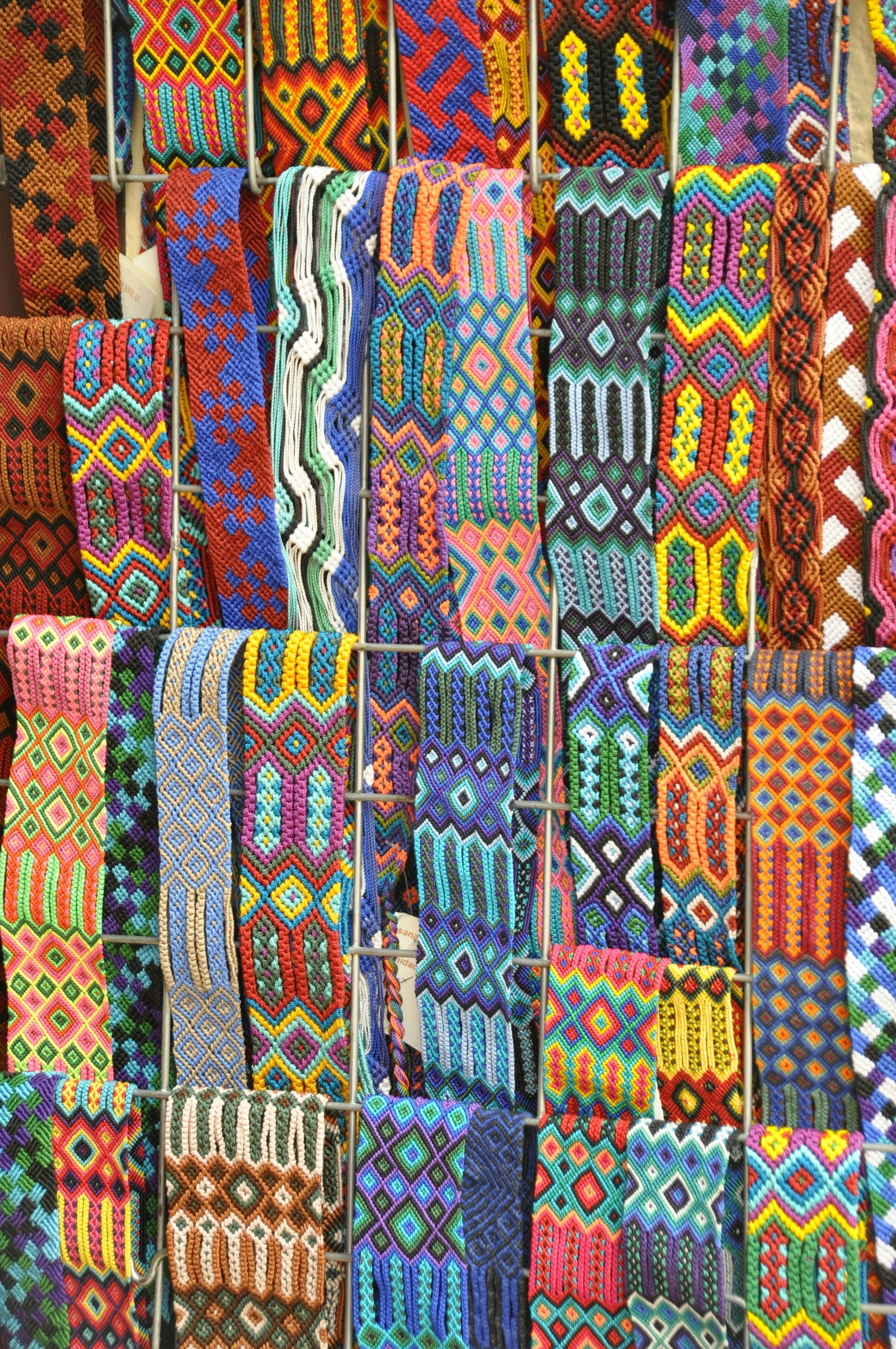
In Australia, performing arts such as dance, music, and oral storytelling play a central role in Aboriginal and Torres Strait Islander identity. Similar traditions exist across New Zealand, the Pacific Islands, Indonesia, and Southeast Asia. Yet many of these art forms face ongoing threats, including cultural erasure, political marginalization, commercial exploitation, climate displacement, and the lack of institutional support for intergenerational transmission. These challenges raise broader human rights questions about cultural dignity, representation, and self-determination, all of which fall squarely within SOCHUM’s mandate. A committee on this topic would ask delegates to consider how intangible cultural heritage can be protected when the “heritage” is not a site but a living practice that depends on people, community, and continuity. Delegates might explore issues such as: supporting Indigenous-led arts education; addressing cultural appropriation; expanding access to funding for remote or under-resourced communities; safeguarding performance traditions threatened by climate change; and strengthening international frameworks for intangible heritage.
Meet your Director!
Dear Delegates,
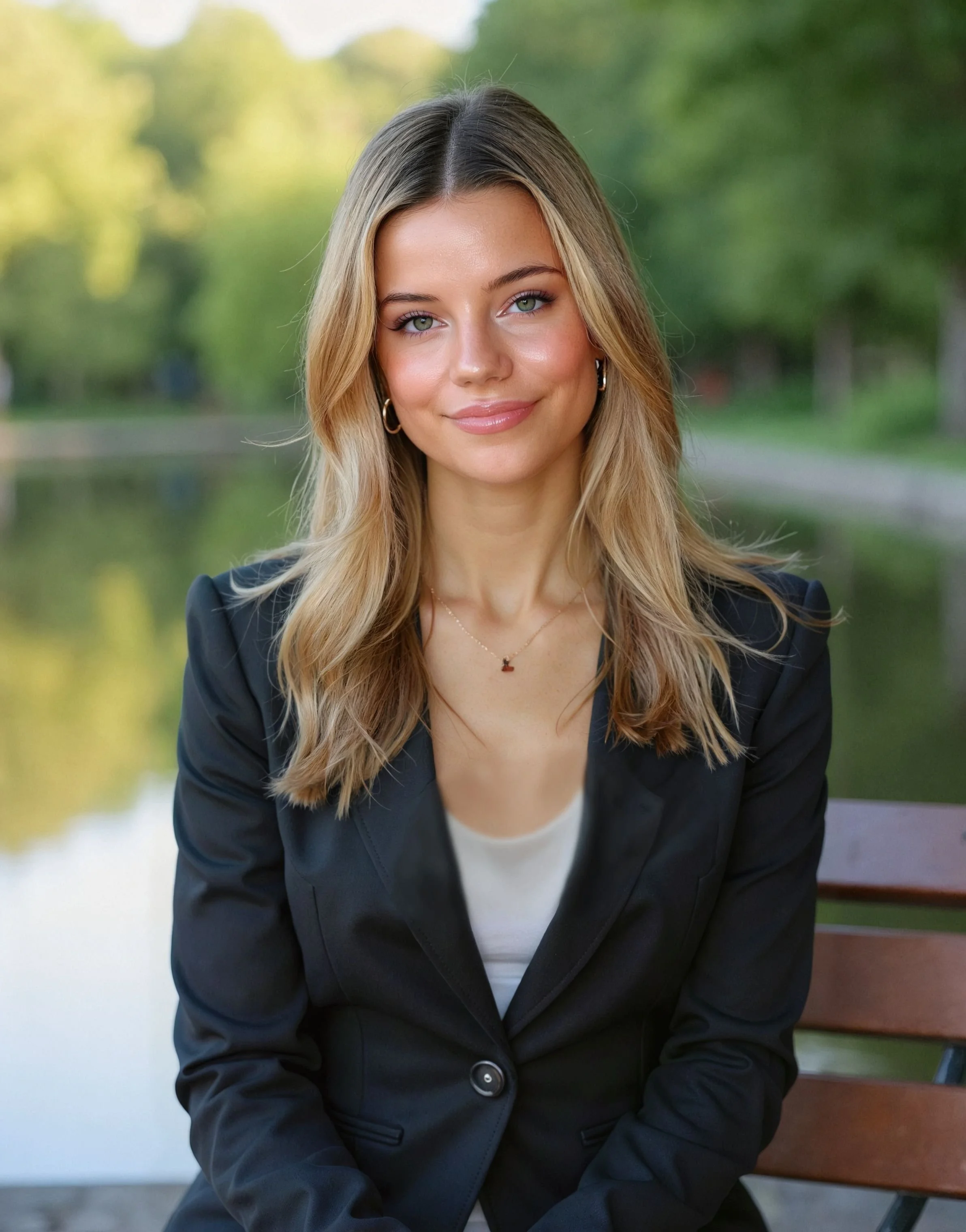
It is with great pleasure that I welcome you to the Social, Humanitarian, and Cultural Committee (SOCHUM) at HMUN Australia 2026. My name is Clara Thiele, and I am honored to serve as your Director for this committee. I am very much looking forward to the thoughtful debate, collaboration, and creativity that SOCHUM encourages, and I am excited to explore this year’s topic with you.
I am currently a sophomore at Harvard College, where I study Social Studies and Economics. Before beginning college, I spent several years working as a professional ballet dancer, training at the John Cranko School in Stuttgart, Germany, and later performing with the Joffrey Ballet Studio Company in Chicago. Those years shaped how I understand culture not only as artistic expression, but as identity, memory, and resilience; especially in moments of political or social uncertainty. They also deeply influenced my academic interests in international relations, human rights, and cultural preservation.
I became involved in Model UN after arriving at Harvard and quickly grew to love the fast-paced thinking and collaborative problem-solving that define these conferences. I am active within the Harvard International Relations Council, competing on the Intercollegiate Model UN travel team and staffing both HMUN and HNMUN. Outside of Model UN, I remain closely connected to the arts through my involvement in the Harvard Ballet Company and the Harvard Contemporary Collective, and I am particularly interested in spaces where culture and diplomacy intersect.
Whether this is your first Model UN conference or one of many, I hope you will join me in making HMUN Australia 2026 a meaningful and memorable experience. I greatly look forward to meeting you in committee and hearing the ideas you bring to the table. Please do not hesitate to reach out with any questions in the meantime.
Warm regards,
Clara Thiele
Chair of Social, Humanitarian, and Cultural Committee
HMUN Australia 2026