

African Union
Topic Summary
Disrupting Forced Labor Trafficking Networks in West Africa’s Mining Sector
Across West Africa, the rise of artisanal and small-scale mining has intersected with deepening economic instability, porous borders, and limited regulatory capacity to create fertile ground for forced labour trafficking networks. In gold-rich regions spanning Guinea, Mali, Burkina Faso, Côte d’Ivoire, Ghana, Sierra Leone, Liberia, Niger, and Nigeria, thousands of children and migrant laborers are recruited under false pretenses, coerced through debt bondage, and transported across borders to work in hazardous, unregulated mining sites. These mines (often controlled or taxed by criminal syndicates, intermediaries, or armed groups) form part of a rapidly expanding illicit economy that fuels regional insecurity while generating billions in untaxed mineral exports each year.
Despite decades of targeted interventions, trafficking within the mining sector continues to evolve. Smuggling routes shift to avoid enforcement, informal recruiters operate across multiple jurisdictions, and global demand for gold intensifies incentives for exploitation. At the same time, communities that rely on artisanal mining for survival face limited alternatives, making it difficult for governments to enforce labour standards without exacerbating local poverty. The result is a complex humanitarian landscape in which forced labour, economic vulnerability, and transnational criminal activity are deeply intertwined, and where victims often remain invisible within vast, informal supply chains.
Meet your Director!
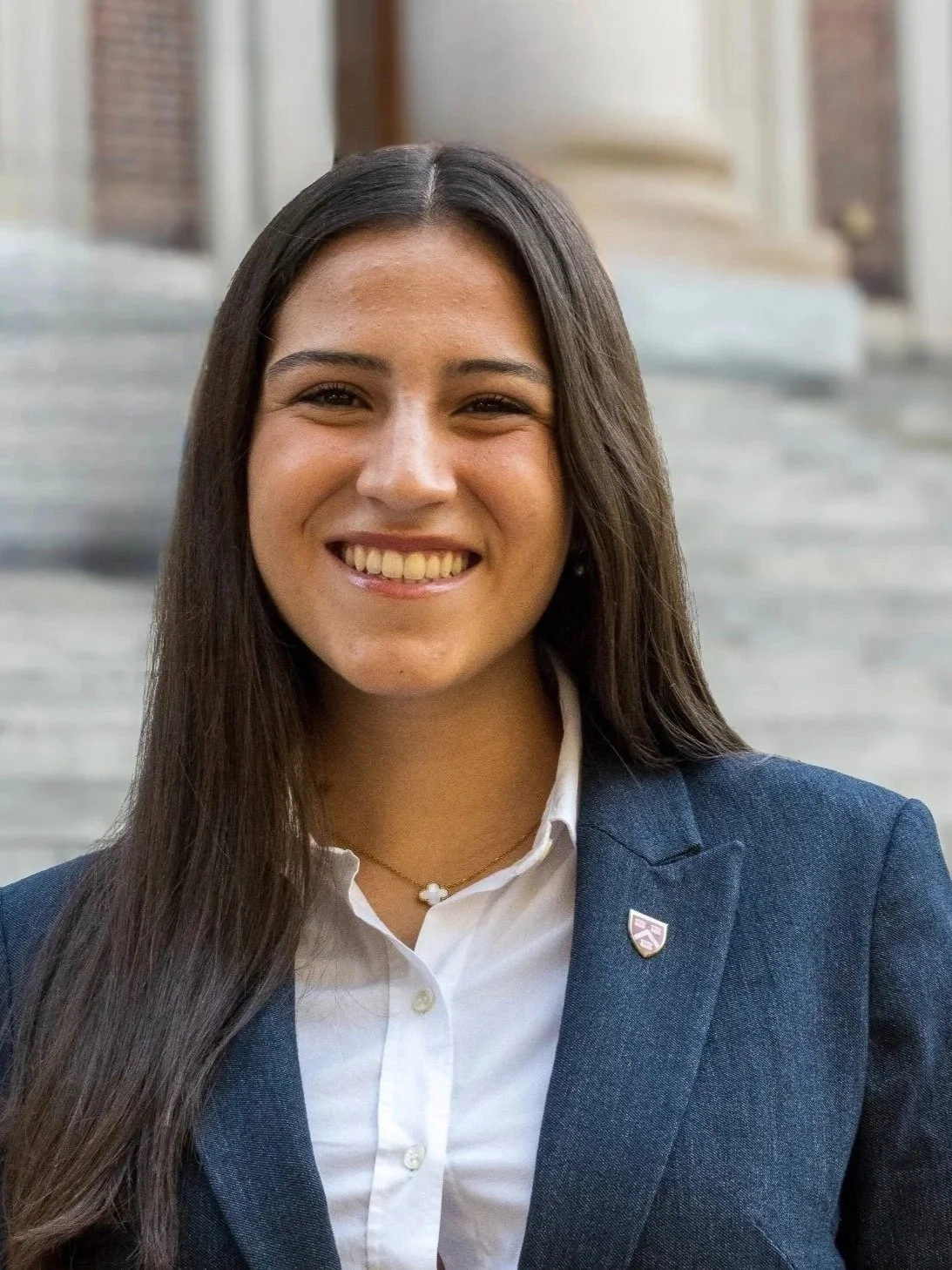
Dear Delegates,
It is my great pleasure to welcome you to the African Union committee on Forced Labour Trafficking in Artisanal and Small-Scale Mining in West Africa. My name is Martina Jaramillo, and I am honored to serve as your Director for HMUN Australia 2026. This topic sits at the intersection of economic development, labor rights, and regional cooperation, and I am especially excited to see how you approach it with both analytical rigor and creative problem-solving.
I was born in Bergamo, Italy, but have grown up in Miami, Florida for most of my life, and at Harvard I am concentrating in Economics and History and Literature. In addition to my studies, I am involved in Consulting on Business and the Environment and conduct research through the MIT/Harvard Global Climate Policy Scholars Program. Outside of academics, I love exploring new cities, hunting down hidden food spots, and never turning down a competitive tennis match.
While I did not have extensive Model UN experience in high school, joining Harvard’s International Relations Council introduced me to the collaborative and intellectually demanding environment that defines HMUN. Since then, I have had the opportunity to serve as an Assistant Director for both HMUN and HNMUN Boston, and I am thrilled to now be directing this committee at HMUN Australia 2026!
During committee, I aim to foster an environment that is lively, collaborative, and thoughtful. I value clear and persuasive speaking, diplomacy rooted in compromise, and resolutions that are both innovative and grounded in the realities of West Africa. Above all, I hope this committee challenges you to think critically about policy trade-offs while still leaving room for bold ideas.
I am very much looking forward to meeting all of you and hearing your perspectives in committee. In the meantime, please feel free to reach out with any questions about the background guide, committee procedure, or even just to introduce yourself!
Sincerely,
Martina Jaramillo
Chair, African Union, HMUN Australia 2026